Add Row
Add Element
cropper
update
Cascade Medical Wellness & Aesthetics
Logo design for Cascade Medical WELLNESS & AESTHETICS emphasizing health and beauty.
update
Add Element
  • Home
  • Categories
    • Aesthetics
    • Wellness
    • Lifestyle Tips
    • Holistic Care
    • Overall Medical Content
July 11.2025
3 Minutes Read

Deliciously Indulge in a Vegan Gluten-Free German Chocolate Cake

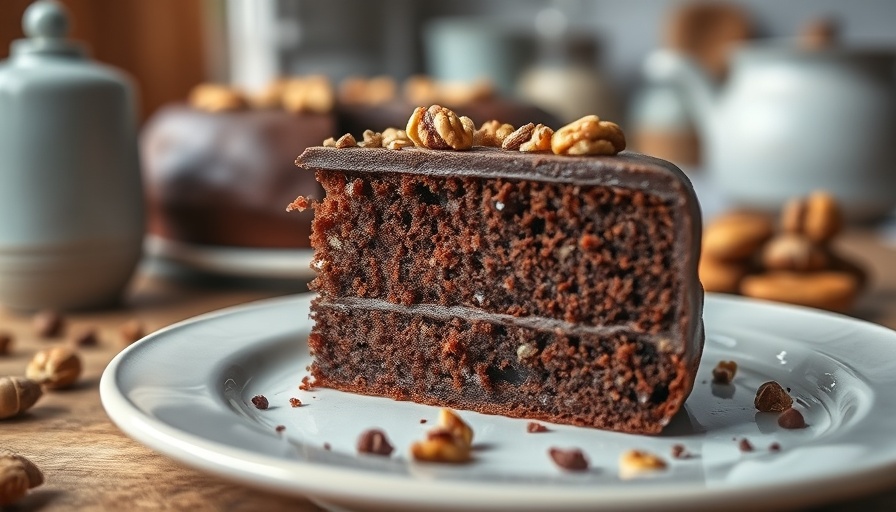
Vegan gluten-free German chocolate cake slice on a plate.

The Allure of Vegan Gluten-Free Baking

As more people embrace plant-based diets and gluten-free options, the culinary world has responded with innovative and delicious creations. Among these, vegan gluten-free German chocolate cake stands out as a beacon for dessert lovers seeking health-conscious alternatives without sacrificing taste.

The Historical Roots of German Chocolate Cake

German chocolate cake, despite its name, originates from the United States. It was named after an American named Samuel German, who developed a dark-baking chocolate that became essential to the cake's rich flavor. Traditionally layered with a coconut-pecan frosting, this dessert has evolved considerably over the years. Today, variations include healthier adaptations such as vegan and gluten-free options, allowing more people to enjoy this classic treat.

Why Go Vegan and Gluten-Free?

Choosing vegan gluten-free options can benefit our health and the planet. Vegan diets are linked to a range of health benefits, including lower cholesterol levels, reduced heart disease risk, and a more sustainable food environment. Meanwhile, gluten-free diets accommodate those with sensitivities or celiac disease, making dishes more accessible. When bathed in rich, chocolate flavors, a vegan gluten-free German chocolate cake not only satisfies sweet cravings but also aligns with these health-oriented choices.

Practical Tips for Baking Vegan Gluten-Free Cakes

Making a vegan gluten-free German chocolate cake can seem daunting, but it’s truly achievable with the right approach. Here are practical tips to ensure success:

  • Choose the Right Flour: Use a blend of gluten-free flours, like almond and coconut flour, to replicate the texture of traditional cakes.
  • Natural Sweeteners: Opt for agave syrup or maple syrup instead of refined sugars to add sweetness without guilt.
  • Substitutes for Eggs: Silken tofu or flaxseed meal can replace eggs to retain moisture and create a fluffy texture.
  • Enhance Flavor: Don't forget your vanilla extract and a pinch of salt to elevate the taste!

The Social Connection: Dessert Brings Us Together

Food often serves as a medium for connection and celebration, and desserts are the centerpiece of many gatherings. Sharing a vegan gluten-free German chocolate cake with friends at a birthday party or a family gathering is not just about satisfying a sweet tooth; it's about sharing joy, comfort, and kindness. Baking healthy desserts is a beautiful way to show love to others—one slice at a time.

Behind the Scenes: The Nutritional Benefits

This delightful cake can be more beneficial than you might think. Ingredients like coconut oil and dark chocolate offer healthy fats and antioxidants, while using natural sweeteners can help to maintain energy levels without the sugar crash often associated with traditional desserts. Additionally, vegetables like zucchini or beans can be incorporated into the batter to elevate the nutritional value even further.

A Glimpse at the Future of Healthy Baking

As dietary preferences continue to shift toward veganism and gluten-free options, we can expect a broader range of delicious, health-friendly recipes. The growing trend towards sustainable living is inspiring more bakers to create desserts that are not only appealing to the palate but also conducive to a healthier lifestyle.

Embracing Your Health Journey

Taking steps towards healthier eating doesn’t mean compromising on enjoyment. By exploring alternative recipes like the vegan gluten-free German chocolate cake, you can find joy in adapting your favorite treats. So, gather your ingredients and start baking a cake that embodies not just flavor, but a lifestyle aligned with your values!

Wellness

0 Comments

Write A Comment

*
*
Please complete the captcha to submit your comment.
Related Posts All Posts
04.15.2026

Finding Strength in Anxiety: Lessons That Transform Our Lives

Update Finding Strength in Anxiety: Lessons That Transform Our Lives “Anxiety is the dizziness of freedom.” – Soren Kierkegaard While anxiety can be stupefying, it also serves as a profound teacher. It's not about learning how to just 'think positively' or dismissing the challenges it presents, it's about understanding that anxiety, in its rawness, imparts valuable insights that can lead to personal growth. This journey with anxiety that some of us undergo, particularly women who often navigate societal pressures about appearance and wellness, reveals hidden strengths and fosters resilience. The Unwelcome Guest: Understanding Anxiety Anxiety is often stigmatized as a debilitating condition, but it is far from just a burden; it becomes a part of our narratives. Reflecting on past experiences, many, including myself, recall formative memories associated with anxiety. Perhaps it was an embarrassing moment in school or the intense worry before a significant event. These experiences feel isolating but are shared by many. For instance, James Scott Henson recounts his struggles with anxiety rooted in childhood and nostalgia. What is vital is noticing its patterns and origins, allowing for deeper reflection. Living in the Moment: The Present Taught by Anxiety One of the greatest gifts anxiety can impart is the ability to become truly present. This seems paradoxical—often, anxiety seems to pull us away from the moment, but by confronting our feelings directly, we can ground ourselves. Henson writes about how anxiety forces him to occupy the present, revealing that the sensations he feels are merely energy in motion. Guided practices of mindfulness allow individuals to embrace the now, aiding to not only manage anxiety but also appreciate life's fleeting moments more deeply. Control: Embracing Uncertainty as a Lesson The quest for control often fuels anxiety, but understanding this can lead to accepting life’s uncertainties. The hyper-independence many exhibit stems from a desire to manage our surroundings, thereby ensuring we feel safe. This ideal, while familiar, can lead to more anxiety when things inevitably go awry. Learning to let go and allow life to unfold teaches flexibility and highlights our inner strength. Building Resilience: Learning Through Challenges An ongoing struggle with anxiety acts like a forge—it shapes and conditions us. Each encounter with anxiety can become a stepping stone rather than a stumbling block. Overcoming small challenges cultivates resilience, allowing us to face larger life hurdles. From personal experience and combined narratives, whether through therapy, exercise, or support groups, managing anxiety enhances our ability to tackle adversity head-on, fostering inner strength that can transform our lives. Bridging Connections: The Role of Communication Another poignant lesson from living with anxiety is the value of communication. Many people, myself included, have at one point been guilty of bottling up our feelings, expecting others to understand without us voicing our struggles. This disconnect can lead to a rift in relationships. Henson emphasizes the importance of sharing our experiences, thus paving the way for more profound connections and inviting support from those we care about. Just as the author suggests, expressing our challenges but also seeking help anchors our relationships, encouraging open dialogues about mental health. Practical Insights: Taking Steps Towards Recovery and Growth Recognizing, understanding, and facing anxiety head-on leads to an actionable approach toward managing it. Small, intentional steps each day can be transformative. Engaging in regular exercise, establishing healthy routines, journaling, and seeking professional support have been highlighted as effective strategies by both Henson and other mental health advocates. Practicing self-compassion, learning to accept imperfections, and setting healthy boundaries fosters a nurturing environment for personal development. Inspiration and Hope: Embracing Our Journey The journey with anxiety can feel paralyzing, yet it also opens doors to meaningful exploration of self. Each lesson learned is a piece towards mending our holistic health. It’s a reminder that we are not alone, that countless others share similar paths filled with struggles and triumphs. Let your voice be heard—our stories can uplift others on similar journeys. If you find yourself struggling with anxiety, remember that each lesson learned brings you closer to your authentic self. It’s okay to seek help, and it’s important to engage in self-care routines. Join supportive communities, communicate openly, and take proactive steps to foster a healthier relationship with anxiety. You’re not just surviving; you’re learning and thriving within the challenges life presents.

04.14.2026

Embracing Sadness: Why It's Valuable for Kids to See Our Emotions

Update Why It's Okay to Show Sadness to Our Children For many parents, equating strength with emotional stoicism can lead us to think that shielding our children from our sadness is the best course of action. However, as Allison Briggs beautifully illustrates, the act of showing vulnerability can lead to deeper connections with our children. The first time her kids saw her cry, it became a transformative experience, unveiling layers of communication that had been suppressed. Instead of fear, her children responded with a loving embrace, which allowed an emotional dialogue to begin. Understanding Kids' Emotional Intelligence Research has shown that children are remarkably perceptive when it comes to their parents' emotions, even when we attempt to disguise them. Children embody an innate empathic ability, sensing tension and sadness through non-verbal cues. Acknowledging their ability to perceive our emotional states not only empowers them but also teaches them that emotions are a normal part of life. As noted by Janet Lansbury, fostering kids' emotional expression comes with incredible benefits, from building trust to bolstering emotional intelligence. Parental Vulnerability: A Teaching Tool Allowing children to witness our emotions—sadness included—provides them valuable life lessons. It teaches them that sadness is not a sign of weakness, but an essential aspect of human experience. According to Michelle Grosser, emotional resilience is cultivated when children see their parents express, communicate, and manage feelings appropriately. This dynamic sets a foundation to acknowledge and articulate their emotions in healthy ways, consequently reducing the stigma around feelings. How Kids Respond to Our Emotions When kids see us tear up or express sadness, they learn that we, too, experience complex emotions, which helps them feel validated in their feelings. Instead of feeling pressured to make things better, we can encourage them to just be present. It allows them to understand that they are not responsible for fixing our emotions. It cultivates a safe space for them to express their own vulnerabilities, breaking down walls of emotional isolation we may have unintentionally built. Creating Emotional Connections Through Honesty The moments we choose to share our feelings with our children can lead to profound intimacy and understanding. Children often perceive emotional environments—even those that are hidden behind forced smiles. As Briggs describes, when her son remarked on her sadness, it was a wake-up call for her to understand that kids are astute observers of their surroundings. By providing truthful narratives around our emotional states, we help them de-personalize our feelings. This clarity fosters closer connections and teaches them how to navigate their emotional landscapes. Tools for Navigating Sadness Together To ease your children into emotional dialogues, consider these strategies: Use affirming language: When you show sadness, let them know you are okay and it’s natural to feel this way. Model healthy responses: Discuss coping strategies openly, illustrating how we can process emotions. Create rituals: Whether it’s family hugs or breaks to talk about feelings, having established practices can help children express themselves comfortably. Inspiring Quotes About Emotional Openness Reflecting on emotional vulnerability can provoke insightful perspectives. Brené Brown aptly states, "I will not teach or love or show you anything perfectly, but I will let you see me, and I will always hold sacred the gift of seeing you—truly, deeply seeing you.” Such insights emphasize the value of emotional honesty in building close familial bonds. A Call to Action: Embrace Emotional Truth It’s essential for parents to embrace emotional truth, not just for their own well-being but for their children's emotional education. Start small; share a moment of vulnerability with your child today. Let them see that even grown-ups have feelings, and that’s perfectly normal. By allowing children to witness our emotional journeys, we pave the way for them to develop emotionally healthy and mature relationships.

04.13.2026

Why Cottage Cheese Muffins Are Your Next Healthy Snack Solution

Update Discover the Benefits of Cottage Cheese Muffins In today's fast-paced world, finding healthy snacks that are both delicious and sustain our energy levels can be a challenge. Enter cottage cheese muffins—a versatile and nutritious option that offers numerous benefits. Not only are these muffins packed with protein, but they are also incredibly easy to whip up, making them a perfect choice for health-conscious individuals looking to nourish their bodies without compromising on flavor. Why Cottage Cheese is the Star Ingredient Cottage cheese is known for its high protein content, making it an ideal ingredient for those looking to increase their protein intake naturally. With around 6 to 8 grams of protein per serving, these muffins are not only satiating but also support muscle repair and growth, making them fantastic post-workout fuel. Moreover, they are low in calories, and the inclusion of cottage cheese helps achieve a moist texture that's hard to resist. Simple Ingredients for Healthy Eating Creating these muffins doesn't require a long list of ingredients. Typically made with just a few pantry staples—eggs, flour (be it almond or rolled oats), and a touch of sweetness like honey or maple syrup—both recipes highlight the practicality of baking these fluffy treats. As noted in the Sweet As Honey recipe, you can even add chocolate chips or fruit to enhance the flavor without adding refined sugars. Embracing Variations for Every Palate The beauty of cottage cheese muffins lies in their versatility. For those who prefer a sweeter touch, a hint of maple syrup can be added, or for a more nutritious muffin, consider incorporating fruits like blueberries or bananas. You could also explore nut substitutions or add spices like cinnamon and nutmeg to give the muffins a unique twist, as suggested in various other recipes. Practical Tips for Perfect Muffins For those aiming to master their muffin-making skills, consider the following tips: let your batter rest for a few minutes before baking to avoid dense muffins, and ensure all ingredients are at room temperature for the best mixing results. Also, make sure to not overfill the muffin tins to prevent overflowing during baking. Healthy Snacking: Muffin Benefits Explained Snacking on cottage cheese muffins not only helps curb hunger but also provides a balanced mix of protein, healthy fats, and carbohydrates. This combination can promote sustained energy levels, making them suitable for breakfast, a healthy midday snack, or even dessert! The protein-rich content can assist in maintaining muscle during weight management, making them a favorite among fitness enthusiasts. Future Trends in Health and Nutrition As we continue evolving towards healthier dietary habits, cottage cheese muffins are poised to remain a staple in many kitchens. With the rise in popularity of high-protein foods, more and more variations of these muffins are likely to emerge, catering to diverse dietary preferences—be it vegan replacements, gluten-free options, or even clever ingredient swaps that boost nutritional value. Final Thoughts and Actionable Tips By incorporating cottage cheese into your diet through these muffins, you're not just enhancing your protein intake; you're also indulging in a treat that can easily fit into a balanced meal. Try experimenting with different ingredients and personalizing your muffins to keep your diet exciting. Share your creations with friends and family to inspire them to join your healthy eating journey!

Terms of Service

Privacy Policy

Core Modal Title

Sorry, no results found

You Might Find These Articles Interesting

T
Please Check Your Email
We Will Be Following Up Shortly
*
*
*