Add Row
Add Element
cropper
update
Cascade Medical Wellness & Aesthetics
Logo design for Cascade Medical WELLNESS & AESTHETICS emphasizing health and beauty.
update
Add Element
  • Home
  • Categories
    • Aesthetics
    • Wellness
    • Lifestyle Tips
    • Holistic Care
    • Overall Medical Content
July 09.2025
3 Minutes Read

Why Dermatologists Must Reclaim Skincare Conversations on TikTok

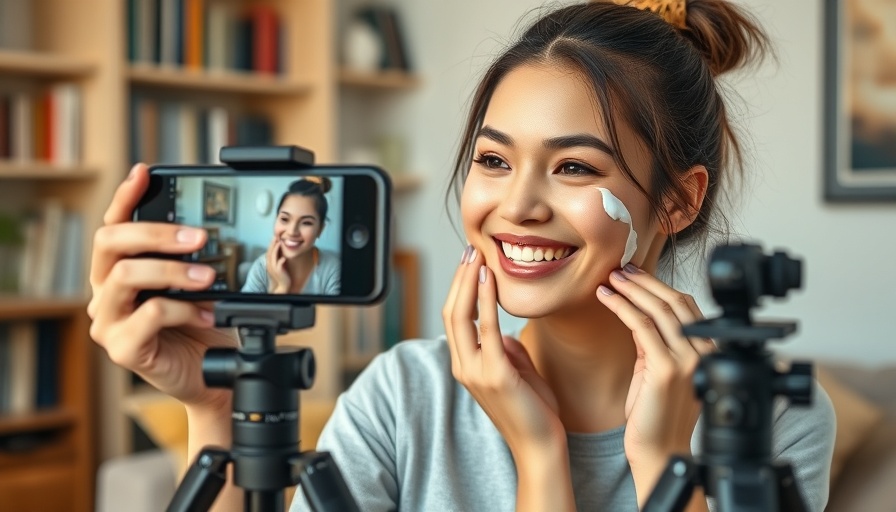
Young woman applying skincare advice in DIY video tutorial.

Reclaiming Skincare Conversations in the Digital Age

As social media platforms become the go-to source for skincare advice—often over traditional dermatological expertise—it's critical to investigate the implications of this trend. More than ever, influenced by visually stimulating content, younger audiences are turning to TikTok and Instagram to make decisions about their skincare.

Teen Influence and Social Media's Role in Skincare Choices

Recent studies underscore the powerful role social media plays in shaping skincare routines among teens. The data is alarming: nearly 75% of teenagers use social media for over an hour daily, and just as high a percentage of them report having discovered skincare products through these platforms. In this framework, it’s essential to understand how decision-making around skincare is shifting away from expert recommendations and toward peer-influenced trends.

Skincare Misinformation: Unpacking Dangerous Trends

Unfortunately, not all content found on social platforms is safe or grounded in scientific understanding. Dr. Katherine Armour's article identifies concerning practices that have gained traction in viral videos. Techniques like 'sunscreen contouring' and 'SPF cocktails' are prime examples. These trends pose significant health risks, further compounded by a mere 16.6% of TikTok videos under the #spf and #skincancer tags being created by qualified dermatologists. The remainder is dominated by non-experts whose advice can lead to harmful habits.

The 'Get Ready With Me' Phenomenon and Its Implications

Among the most impactful trends is the 'Get Ready With Me' (GRWM) video genre, which encourages teens to actively mimic skincare routines filled with a plethora of products—many of which are unnecessary or even counterproductive for their skin type. This phenomenon emphasizes the urgent need for dermatologists to speak out and guide young users toward responsible skincare practices.

Actionable Insights for Awareness and Safety

The challenge lies not only in combating misleading information but also in promoting valid skincare education. Dermatologists are tasked with creating engaging, informative, and accessible content that resonates with a younger audience. Here are a few actionable steps for dermatologists wanting to reclaim authority in skincare discussions:

  • Educate through Social Media: Create content that demystifies skincare science to attract and engage younger demographics.
  • Collaborate with Influencers: Partner with trusted figures within the beauty industry to amplify accurate messages about skincare.
  • Interactive Q&A Sessions: Host live Q&A sessions on platforms like Instagram or TikTok to engage with audiences directly and answer their pressing skincare questions.

The Role of Trust in Skincare Advice

Interestingly, though 33.2% of users cite dermatologists as trustworthy sources, a significant portion placed their faith in influencers and peers. This divide illustrates a vital lesson: a credible presence on social media is no longer optional but a necessity for health professionals. By addressing the deeper reasons behind their success—relatability, entertainment value, and accessibility—dermatologists can better position themselves within the skincare narrative.

Looking Forward: Trends to Watch

As social media continues to evolve, dermatologists must also anticipate and adapt to the changing landscape of digital skincare advice. Future trends may lean towards a greater emphasis on mental health and body positivity in skincare discussions, with a growing awareness of the emotional aspects of personal care. Dermatologists have an opportunity to be at the forefront of this shift, converging medical knowledge with contemporary lifestyle trends.

In conclusion, while the involvement of social media in skincare education poses challenges—particularly with misinformation—there is also enormous potential for dermatologists to reclaim their voice in these conversations. Creating engaging, credible content can ultimately help steer these important health discussions back into more trusted hands. It is a call to action for dermatologists to become proactive influencers themselves, educating and protecting the next generation of skincare enthusiasts, thus creating a healthier future.

Act Now: Join the conversation on social media and contribute your expert insights to ensure young audiences are equipped with accurate skincare information. Together, we can make a difference.

Aesthetics

0 Comments

Write A Comment

*
*
Related Posts All Posts
02.25.2026

Unlocking the Secrets of a High-Quality Aesthetic Consultation

Update A Comprehensive Guide to High-Quality Aesthetic Consultations In the realm of aesthetics, genuine transformations begin not with needles or lasers, but during the very first conversation between the practitioner and the patient. Effective aesthetic consultations are not mere formalities, but rather pivotal moments that instill trust, clarify expectations, and lay the groundwork for personalized patient care. As we dive into the key elements of conducting an exceptional aesthetic consultation, it's important to understand that this process shapes not only immediate treatment plans but also long-term patient relationships. Listening: The Cornerstone of Patient-Centered Consultation The foundation of any high-quality aesthetic consultation begins with listening. Before diving into treatments or providing solutions, practitioners should first seek to understand their patients' motivations. By asking open-ended questions, such as "What brings you here today?" or "How do those concerns affect your daily life?" practitioners can facilitate a dialogue that empowers patients to express their needs and desires. This approach ensures that patients feel heard, minimizing defensiveness and fostering a stronger bond. Studies indicate that when patients perceive their providers as good listeners, they are much more likely to engage openly, leading to better therapeutic outcomes. Educating Through Assessment: A Collaborative Experience Assessment should not be about passing judgment or dictating solutions but about educating the patient on their unique anatomical features. Practitioners should guide patients through an assessment of their skin and facial structure, explaining how aging manifests and what factors contribute to their aesthetic concerns. Using accessible language and minimizing jargon can make this process more approachable and less intimidating. Moreover, a collaborative assessment helps patients grasp the reasoning behind various treatment options, leading to informed consent and realistic expectations. Options Framed by Suitability, Not Sales Pitches During the consultation, practitioners must ensure that discussions of treatment options revolve around patient needs rather than availability. This means filtering treatments based on what is most suitable for the individual rather than pushing specific products or procedures. A practitioner should feel empowered to guide a patient to consider less intensive options or delay certain treatments until the right time, reinforcing ethical restraint in practice. Such an approach nurtures clinical confidence and has been shown to enhance patient satisfaction by aligning treatment outcomes with patients' original concerns and aesthetic goals. Building Trust: The Essence of an Excellent Practitioner The essence of a successful aesthetic practitioner lies in their commitment to patient safety over quick results. Screening for medical history, contraindications, and lifestyle factors is crucial to ensuring safe practices. This focus not only protects patients but illustrates the practitioner's dedication to ethical care. A recent review emphasized the significance of adopting a patient-centered model in aesthetic practices. It advocates for understanding diversity in patient backgrounds and tailoring consultations accordingly. Acknowledging differences in anatomy, aesthetic goals, and individual histories will significantly improve treatment planning and patient satisfaction. Integrated Approach Beyond Individual Treatments As aesthetic practices evolve, so too does the variety of treatment options available. From injectables to energy-based devices, practitioners must remain well-informed about the latest techniques and understand how to employ a multi-modal approach for optimal results. Rather than viewing treatment as isolated interventions, combining modalities often leads to improved patient satisfaction and better outcome longevity. Research supports that patients who receive combination treatments often report higher satisfaction rates. These strategic choices, leading to comprehensive care, support the argument for moving away from a transactional model of aesthetic medicine toward a more holistic approach. Conclusion: The Path to Empowered Patient Relationships Ultimately, the goal of a high-quality aesthetic consultation is to cultivate an ongoing relationship built on trust, understanding, and collaboration. By adopting a patient-centric consultation framework, practitioners can ensure that they not only meet but exceed their patients' expectations. As aesthetic medicine matures, integrating education, safety, and ethical considerations into every consultation will empower patients, ensuring they feel confident in their choices as they embark on their aesthetic journeys. Act Now for Your Aesthetic Consultation If you're considering aesthetic treatments, take the first step by scheduling a thorough consultation with a qualified practitioner. Understanding your options and receiving tailored advice is essential to achieving your aesthetic goals. Don't wait—empower yourself with knowledge today.

02.25.2026

Avoiding Pillow Face: A Comprehensive Guide for Women Considering Fillers

Update Understanding Pillow Face: What You Need to Know For many women considering cosmetic enhancements, the term "pillow face" stirs apprehension. This look, characterized by overly full cheeks and a lack of facial definition, serves as a cautionary tale in the realm of dermal fillers. While the fear of this undesirable aesthetic is prevalent, it’s crucial to understand that it often results from poor injection techniques rather than an inherent issue with the fillers themselves. In fact, as facial anatomy shifts with age, a layered approach to aesthetics can offer a natural, rejuvenated appearance. The Causes of Pillow Face: Beyond Just Too Much Filler Dr. Kim Thompson outlines several key contributors to pillow face, revealing that the issue is often multilayered: Chasing Volume: Many practitioners aim to fill every perceived dip without addressing the underlying causes of aging, such as fat redistribution and skin quality decline. This reactive approach can misguide treatment and result in an imbalanced appearance. Repeated Treatments in the Same Area: Frequent touch-ups in areas like the cheeks and nasolabial folds without reassessing the overall facial balance can cause a sluggish buildup of filler, leading to that dreaded round look. Improper Product and Placement: Different types of hyaluronic acid fillers can react unpredictably based on the injection depth and location. If the filler isn't placed appropriately, it may not integrate well with the natural tissue, creating a ‘puffy’ look. Incidental Swelling or Inflammation: Sometimes the appearance of overfilling stems not from excessive filler, but from surgical complications like swelling or delayed reactions that require different management approaches. Signs You Might Be Overfilled There are red flags that suggest one might be heading towards a pillow face appearance. If your cheeks appear rounder without added lift, if your side profile looks overly projected, or if weekly touch-ups leave you feeling less satisfied, it may be time for a reassessment. Unflattering photos versus a mirror image can also be a telling sign of facial filler imbalance. Can Pillow Face Be Corrected? One of the most reassuring aspects of experiencing a pillow face is that correction is often possible! If excess hyaluronic acid is the root cause, the enzyme hyaluronidase can dissolve the filler efficiently. This is a common and clinically supported approach that can revert the puffiness and restore natural contours quickly. Then, a skilled injector can apply Structural Volumizing techniques, inserting new filler at deeper levels, close to the bone where it can achieve a more natural look and feel. Preventing Pillow Face: Choosing the Right Provider A major takeaway for anyone considering dermal fillers is to select a practitioner based on their experience and technique rather than price alone. As Dr. Amiya Prasad highlights, using advanced injecting methods and having a deep understanding of facial anatomy is essential to achieve aesthetically pleasing results without compromising on safety. The Emotional Aspect of Aesthetic Treatments It’s essential to consider the emotional effects that aesthetic enhancements can have. Many individuals seek these treatments to boost their confidence and feel youthful. However, being unhappy with results can lead to frustration and disappointment. Understanding the risks and the right questions to ask during consultations can empower individuals to make informed decisions about their beauty regimen. Final Thoughts: Embrace Knowledge and Caution The journey to achieving your desired appearance through cosmetic fillers should be a balance between enhancement and maintaining your unique identity. As the trends in aesthetic treatments evolve, maintaining an informed perspective will help you navigate your choices wisely. If you think you may be experiencing pillow face, seek a qualified professional who can guide you through the options available to recapture a vibrant look. If you're taking the next step towards aesthetic rejuvenation, don’t hesitate to consult with professionals about techniques that respect your individual anatomy and prevent unwanted results.

02.24.2026

Revolutionizing Urgent Care: Nurses Underutilized in Their Scope of Practice

Update Understanding the Scope of Nursing Practice in Australia In a recent evaluation of Australia’s Medicare Urgent Care Clinics, a troubling disparity has been revealed: nurses are not operating at the full extent of their professional scope. Conducted by the Department of Health, Disability and Ageing, the report highlights a significant difference between the experiences of nursing and medical staff. Only 63% of nurses reported working to the top of their capabilities, compared to 80% of their medical counterparts. The Necessity for Reform in Urgent Care Clinics As Australia’s healthcare system faces workforce shortages, especially in urgent care settings, effective utilization of nursing professionals is crucial. The ongoing model, which largely defaults responsibilities to general practitioners (GPs), is limiting the contributions nurses can make to patient care. Currently, nurses routinely perform various medical tasks in other healthcare settings, such as hospitals—yet this capability is not being tapped for urgent care clinics. Patient Outcomes and the Impact of Underutilization Despite the scope-of-practice limitations for nurses, the report indicates that the Medicare Urgent Care Clinics are still yielding positive results. Patient satisfaction rates are high, and the clinics have been credited with reduced wait times and significant cost savings for the healthcare system. This underscores the paradox of having a capable nursing workforce that is not being fully leveraged to enhance patient care, despite demonstrating efficiency and effectiveness in urgent care environments. Challenges Regarding Training and Support The independent evaluation also points to gaps in training and resources available to nursing staff. While 77% of medical personnel reported having access to adequate training, only 67% of nurses felt similarly supported. This disparity raises questions about how well-equipped nurses are to handle their responsibilities effectively, further crippling their ability to work at the height of their skills, which can lead to increased burnout and dissatisfaction among nursing staff. A Call for Holistic Workforce Integration Frances Rice, Chief Nursing Officer at the Australian College of Nursing, emphasizes the need for a paradigm shift in utilizing the nursing workforce in urgent care. "This is not just about professional satisfaction—it's about improving care for all Australians," Rice stated. With plans to open 50 more clinics by June 2026, it’s essential that the government re-evaluates how trained nurses are integrated into these models of care, ensuring they can apply their full capabilities. Addressing Aggression Towards Healthcare Workers The report also addressed the alarming rates of aggression towards healthcare workers in urgent care settings. With instances of violence becoming more prevalent, Rice advocates for stronger protections for all staff in these environments. Addressing workplace safety is imperative, not just for the wellbeing of nurses and doctors, but also for the patients who rely on them. Zero tolerance policies must be stringently enforced to create a safer working environment. Future Implications for Nursing and Healthcare Delivery The outcomes of this evaluation not only inform the current state of nursing practices in urgent care but also point toward significant future trends. As innovative nurse-led models demonstrate their potential in locations such as the ACT and remote Northern Territory, stakeholders must consider how these models can be replicated or adapted throughout the country. The Importance of Legislative Support Recent regulatory decisions, like those established by the Victorian Civil and Administrative Tribunal, show how laws can directly affect the scope of nursing practice. As the healthcare framework continues to evolve, ensuring that the laws empower nurses to practice fully is critical for the sustainability of the workforce. Collaborative efforts between healthcare leaders, legislators, and education providers will be necessary to harmonize the expectations placed upon nurses with the realities of their capabilities. Given these insights, the healthcare community is urged to advocate for better training, a reevaluation of existing practices, and reinforced protections for healthcare workers. Only through such measures can we hope to bridge the current gaps in urgent care delivery and enhance patient outcomes across Australia.

Terms of Service

Privacy Policy

Core Modal Title

Sorry, no results found

You Might Find These Articles Interesting

T
Please Check Your Email
We Will Be Following Up Shortly
*
*
*